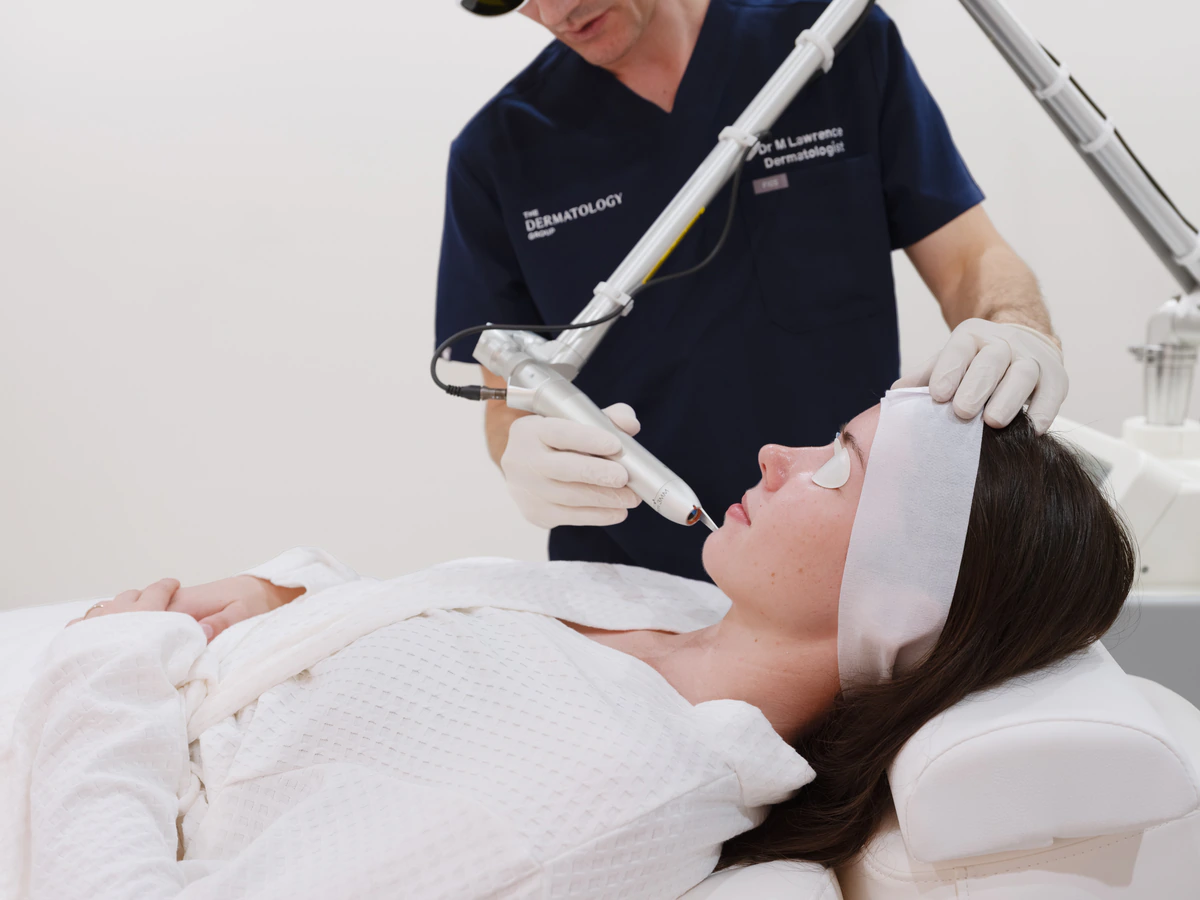
New Zealand has a high melanoma burden, so changing or unusual moles deserve careful assessment. A mole check may involve dermoscopy, a review of personal risk factors, and comparison with previous history where available.
If a lesion is suspicious, the next step may be monitoring, biopsy, excision, or referral into a surgical pathway.
When should a mole be checked?
Assessment is appropriate for a new, changing, bleeding, painful, itchy, or non-healing spot, or a mole that looks different from nearby moles.
Does a mole check remove anything on the day?
Removal depends on the lesion, clinical assessment, scheduling, and the most appropriate diagnostic or surgical pathway.