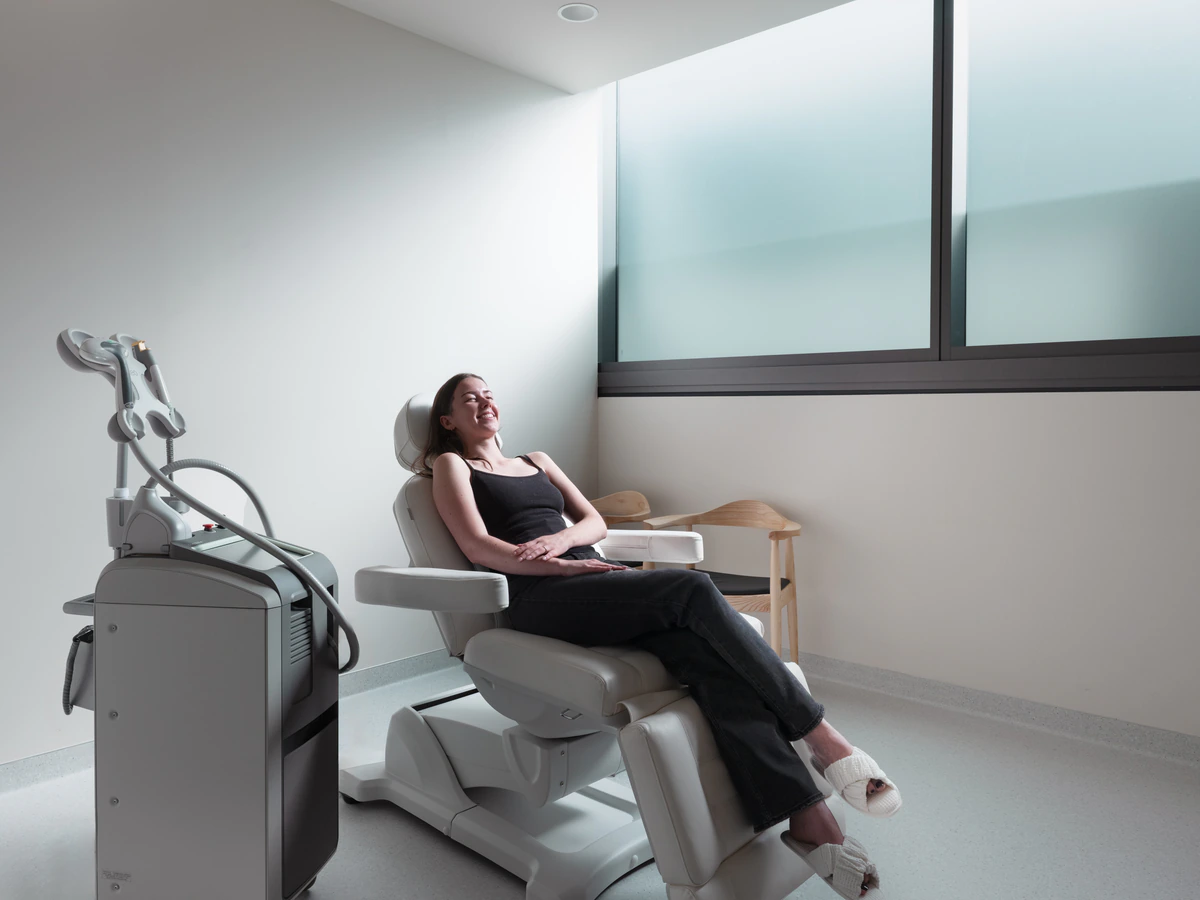
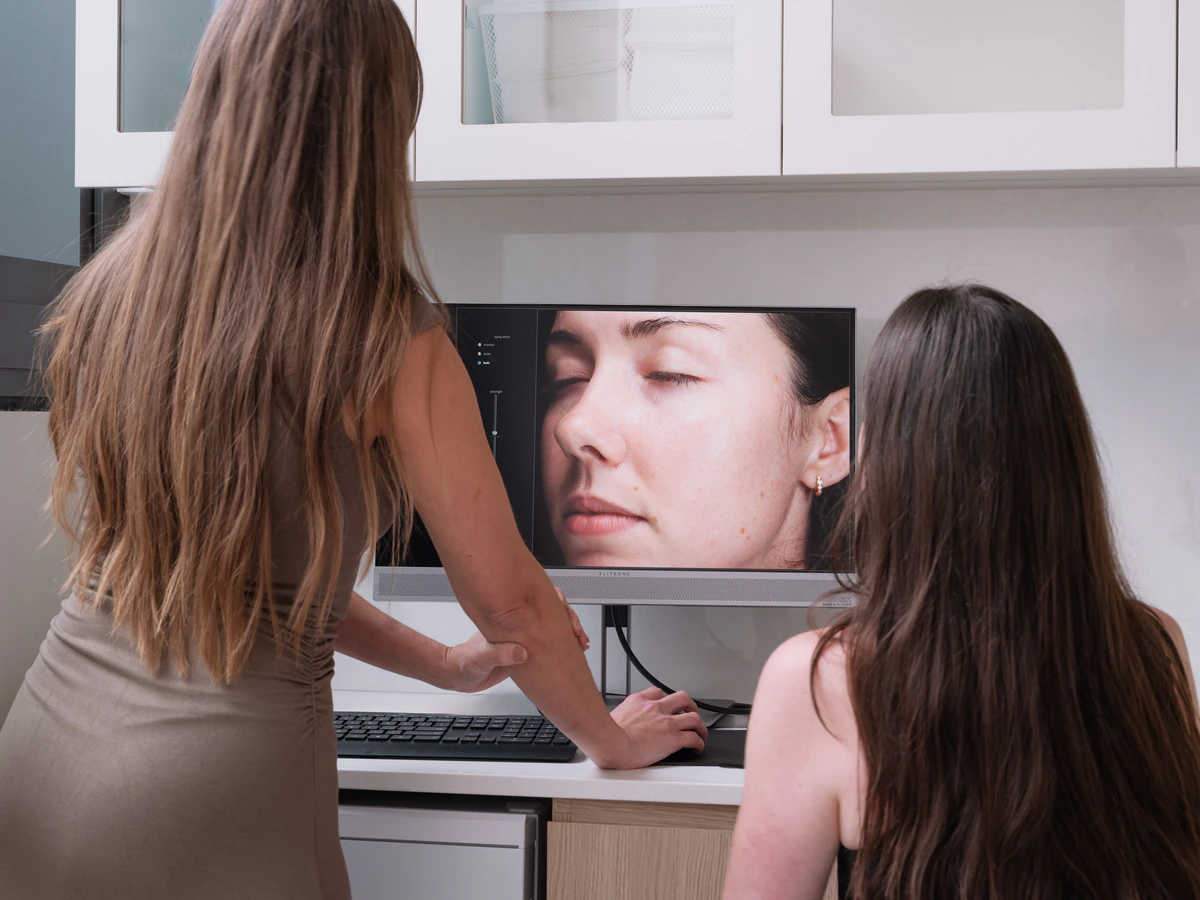
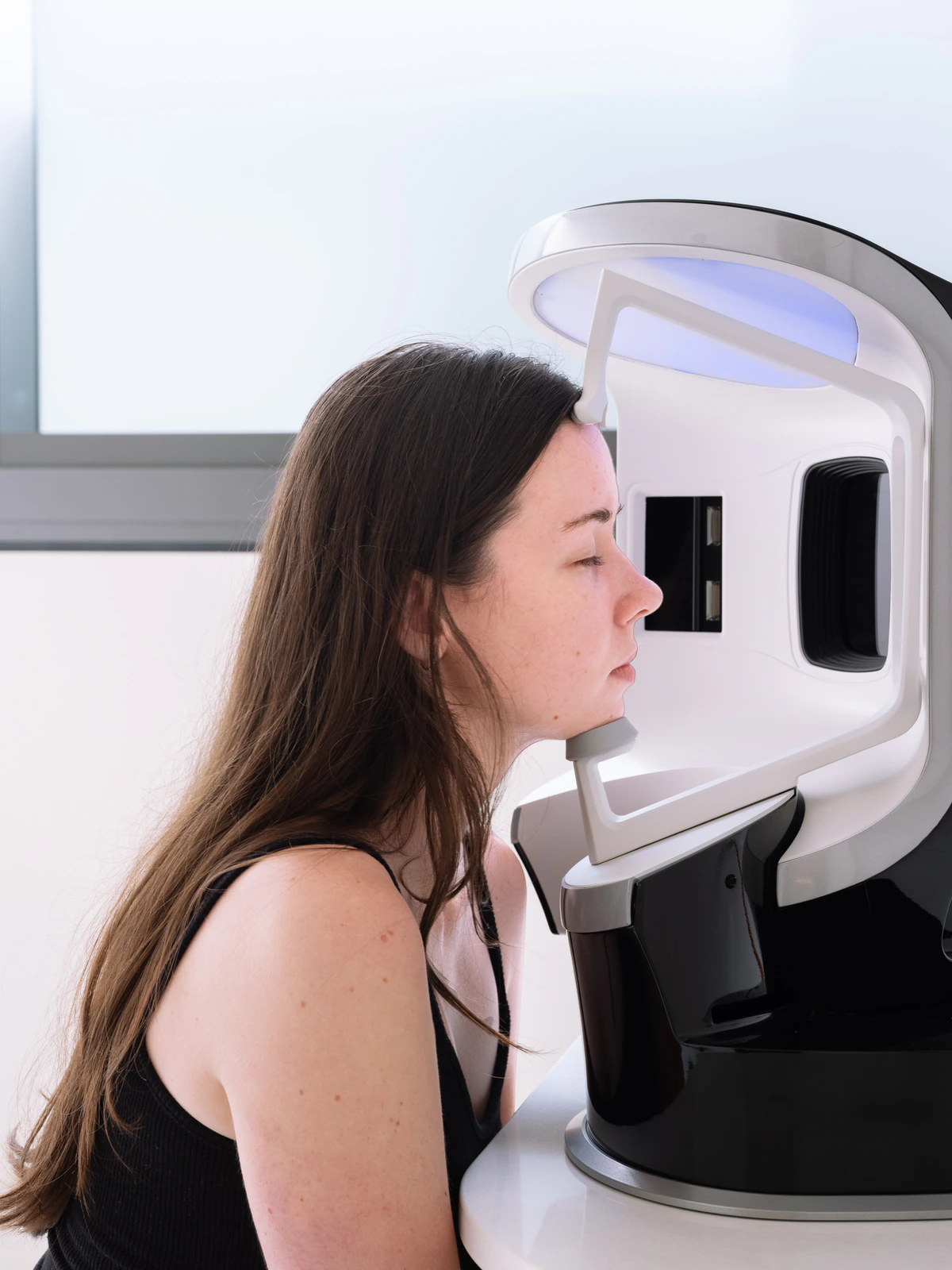
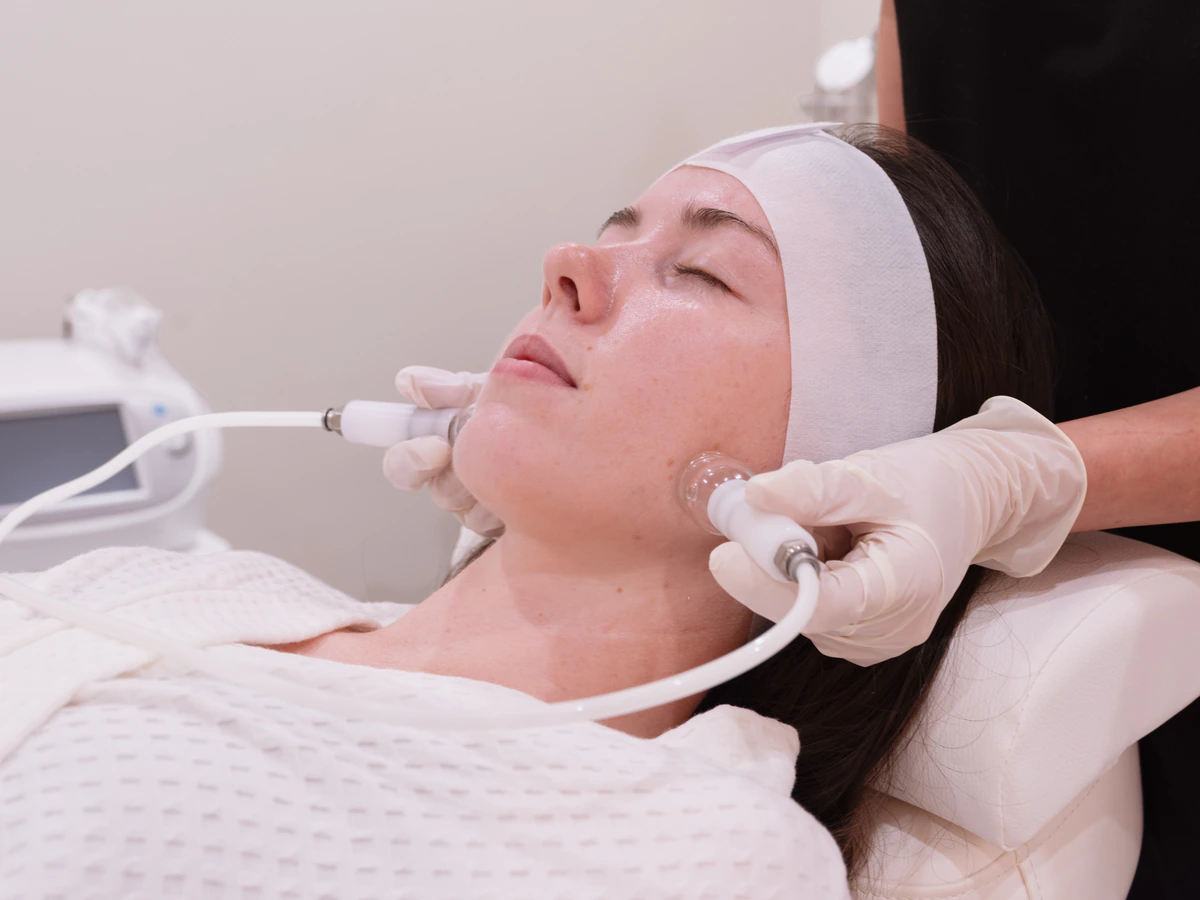
The cosmetic dermatology pathway is measured, personal, and clinician-led, but still clear about what the clinic can offer. The starting point is a consultation: skin history, goals, risk factors, downtime tolerance, and what has or has not worked before.
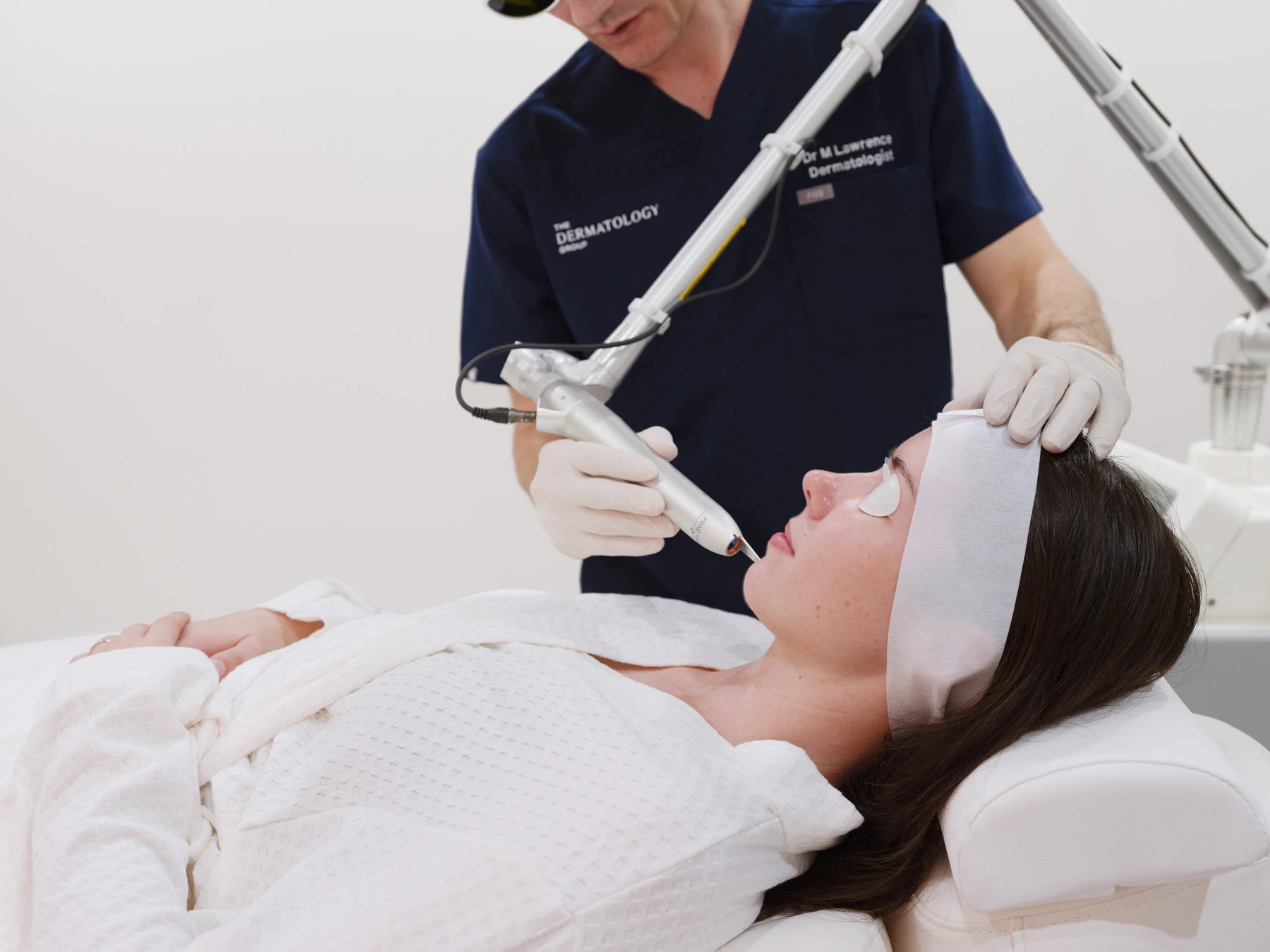
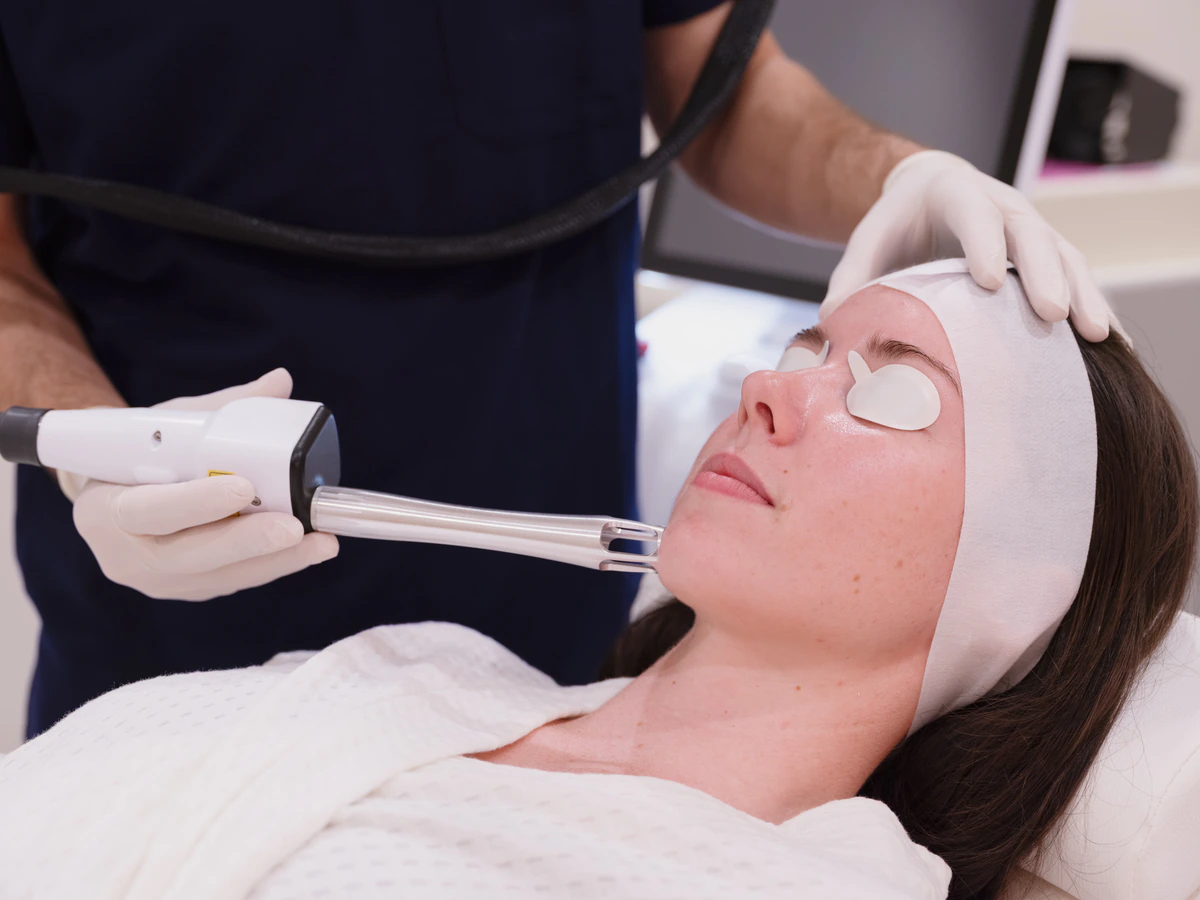
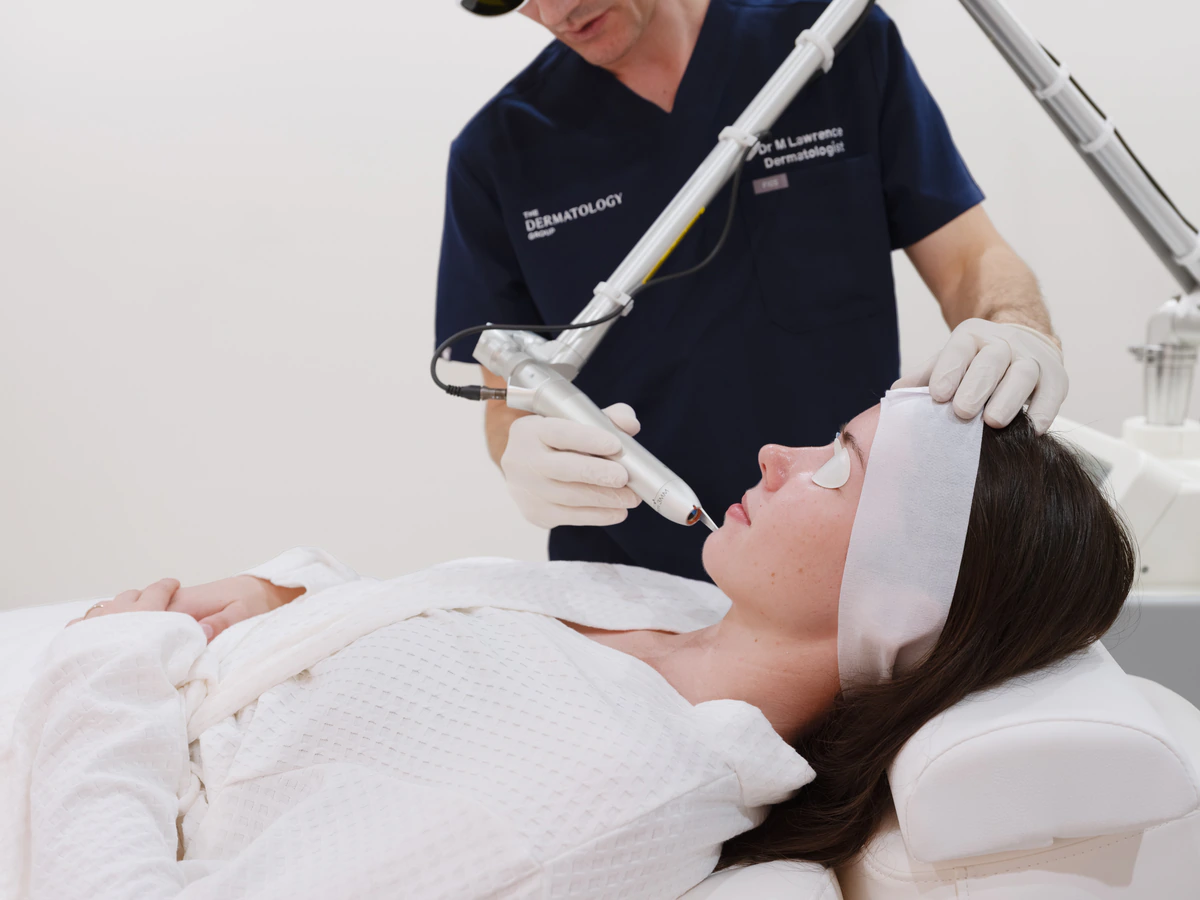
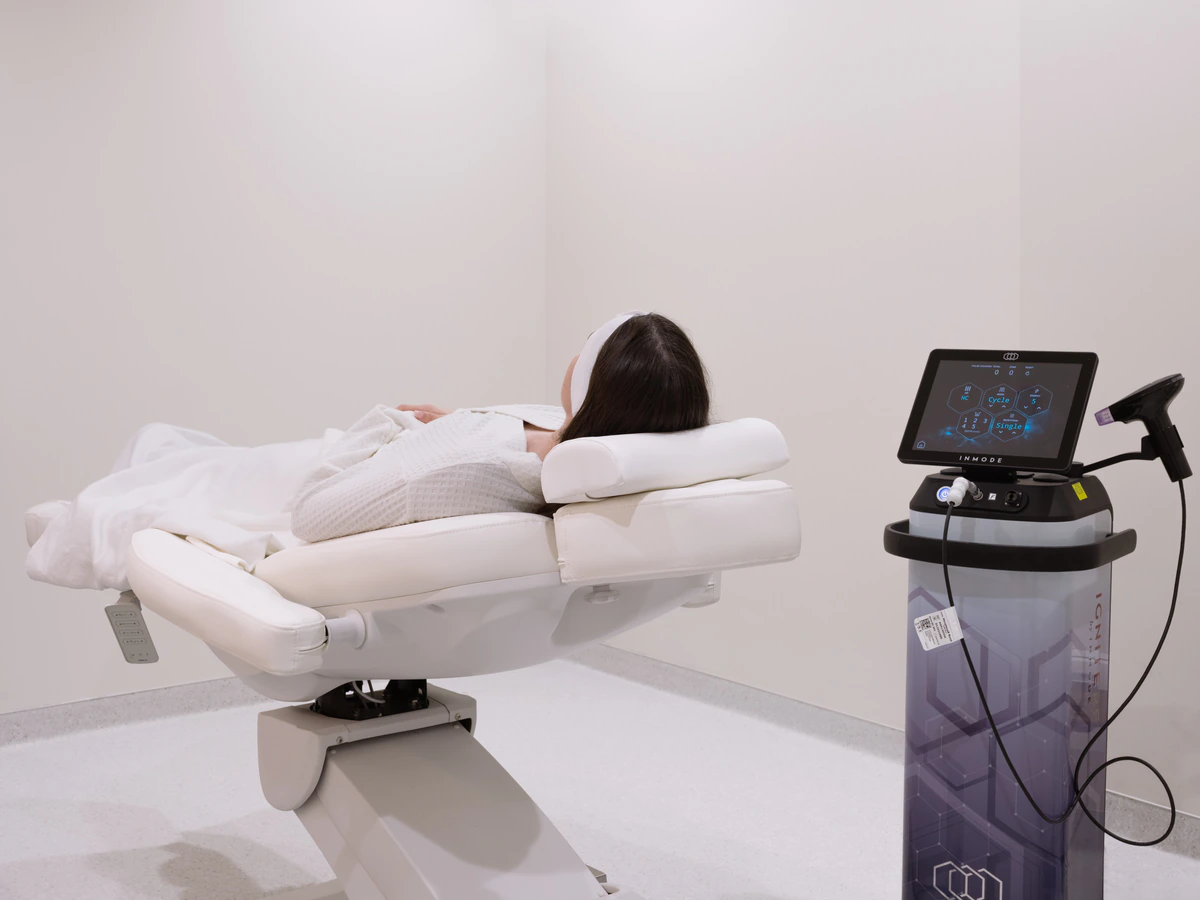
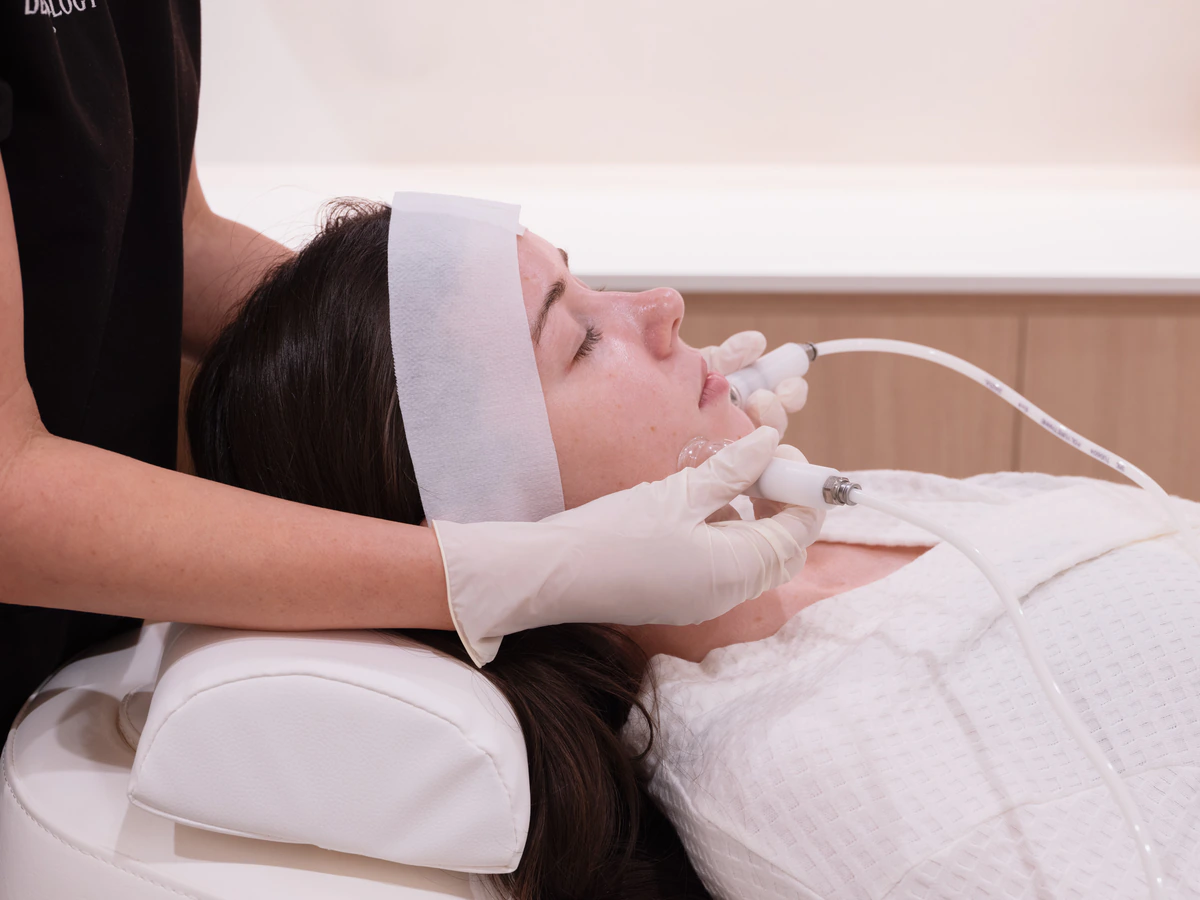
Where suitable, anti-wrinkle injectable planning (often searched for as Botox), advanced laser, IPL, radiofrequency microneedling, hydrodermabrasion, or precision skin-infusion systems may be part of a plan. The site lists key treatment options so patients can understand what may be discussed, while still framing them as clinician-selected tools rather than fixed transformations.
Care is planned around diagnosis, suitability, expected downtime, and any information already available.
01
Doctor-led assessment and treatment selection
02
Prescription anti-wrinkle planning where clinically suitable
03
Laser and IPL planning based on skin type and downtime
04
UltraClear laser resurfacing or radiofrequency microneedling where appropriate
05
Skin booster or mesotherapy-style delivery when clinically suitable
06
Maintenance treatments for selected skin quality goals
Why are some treatments listed as separate pages?
Separate pages help explain common injectable, laser, and device options. A treatment recommendation still follows consultation, skin assessment, and discussion of downtime, risk, and realistic goals.
Are outcomes predictable?
No. Outcomes vary by concern, skin type, treatment settings, aftercare, and the body’s healing response. The consultation should set realistic expectations before treatment.
Do you offer Botox or anti-wrinkle injections?
Yes. Many people use Botox as shorthand for botulinum toxin anti-wrinkle injections. These sit within the cosmetic dermatology pathway and are prescription treatments, so suitability, risks, treatment areas, and aftercare need to be discussed with a clinician before treatment is planned.